Understanding Body Composition: Why Scale Numbers Can Deceive Your Progress
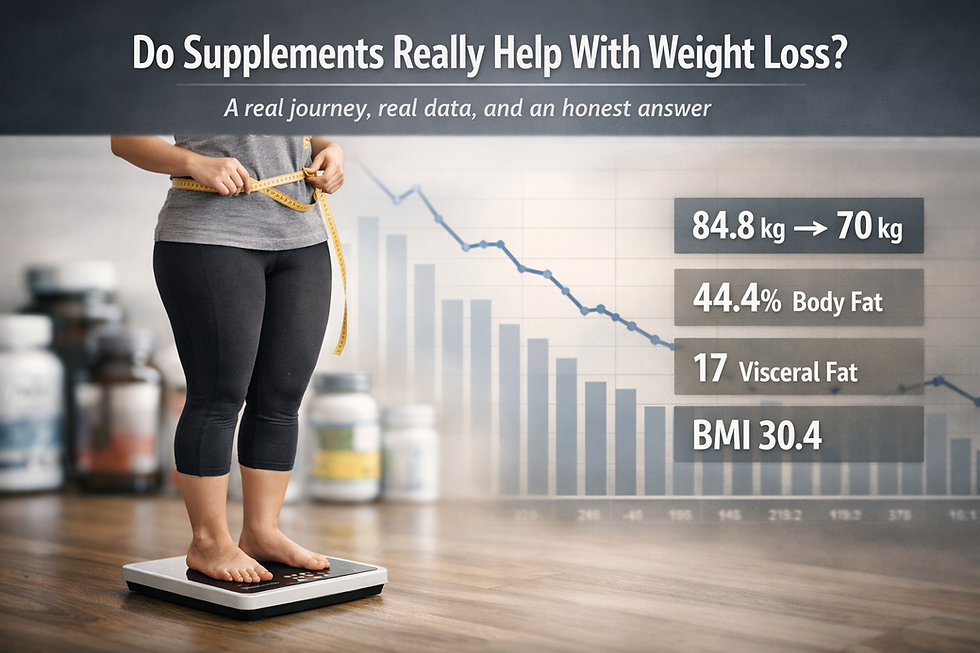
When you step on the scale, the number you see can feel like the ultimate measure of your health and fitness progress. Yet, that number alone often hides the real story of what’s happening inside your body. Focusing only on scale weight can mislead you, causing frustration or false confidence. Understanding body composition—the ratio of fat, muscle, water, and bone in your body—gives a clearer picture of your health and transformation journey.

Why Scale Numbers Don’t Tell the Whole Story
The number on the scale reflects your total body weight, but it doesn’t distinguish between fat, muscle, or water. This means:
Muscle gain can mask fat loss. Muscle is denser and weighs more than fat. If you gain muscle while losing fat, your weight might stay the same or even increase.
Water retention fluctuates weight. Factors like hydration, salt intake, and hormonal changes can cause your weight to vary daily.
Bone density changes are invisible. Stronger bones weigh more but don’t show up as fat or muscle changes.
For example, someone starting a strength training program might see little change on the scale but notice clothes fitting better and improved strength. This happens because they are losing fat and gaining muscle simultaneously.
Better Ways to Track Your Body Changes
Instead of relying solely on the scale, use these methods to get a more accurate view of your progress:
1. Body Measurements
Use a tape measure to track inches lost or gained around your waist, hips, arms, and thighs. This method shows where fat loss or muscle gain occurs.
Measure once a week at the same time of day.
Record measurements to see trends over time.
2. Body Fat Percentage
Tools like calipers, bioelectrical impedance scales, or professional assessments (DEXA scans, Bod Pod) estimate your body fat percentage. Tracking this helps you understand if you’re losing fat or gaining muscle.
3. Progress Photos
Taking photos every few weeks provides visual proof of changes that numbers can’t capture. Wear similar clothing and use consistent lighting and angles.
4. How You Feel and Perform
Notice improvements in energy, strength, endurance, and mood. These are important signs of progress that the scale cannot measure.

Why Body Composition Matters for Your Health
Body composition affects more than just appearance. It influences your overall health and risk for diseases:
Higher muscle mass supports metabolism. Muscle burns more calories at rest, helping maintain a healthy weight.
Lower body fat reduces risk of chronic diseases. Excess fat, especially around the abdomen, increases risk for diabetes, heart disease, and other conditions.
Balanced body composition improves mobility and strength. This supports daily activities and reduces injury risk.
Focusing on body composition encourages sustainable habits like balanced nutrition and regular exercise, rather than quick fixes aimed only at weight loss.
How Nutritional Coaching and Personal Training Can Help
Changing body composition takes a tailored approach. Nutritional coaching and personal training provide guidance and support to:
Create meal plans that fuel fat loss and muscle gain.
Design workouts that build strength and improve fitness.
Track progress using multiple methods beyond the scale.
Stay motivated and accountable throughout your journey.
If you want expert help to transform your body and health, visit luvyabodi.com. Their coaching programs combine nutrition and fitness strategies personalised to your goals.

Take Control of Your Progress Today
Don’t let the scale number alone define your success. Understanding body composition gives you a clearer, more motivating picture of your health journey. Use measurements, photos, and how you feel to track real changes. For personalised support, nutritional coaching and personal training can make all the difference.


Comments